



Welcome back to The Creator Brief! I’ve been blown away by the response to the newsletter launch. Thank you all for reading, and an extra special thanks to those of you who commented on my LinkedIn and Instagram posts promoting the launch of The Creator Brief ❤️
Now, let’s get into the news. This week’s headlines include:
How Disney is expanding creator content in its owned ecosystem
Divine, the Vine reboot, is now open to the public—and it has already secured its first brand partnership
Lucky Charms makes its “RushTok” debut
How Disney is using creators to build a fandom content pipeline
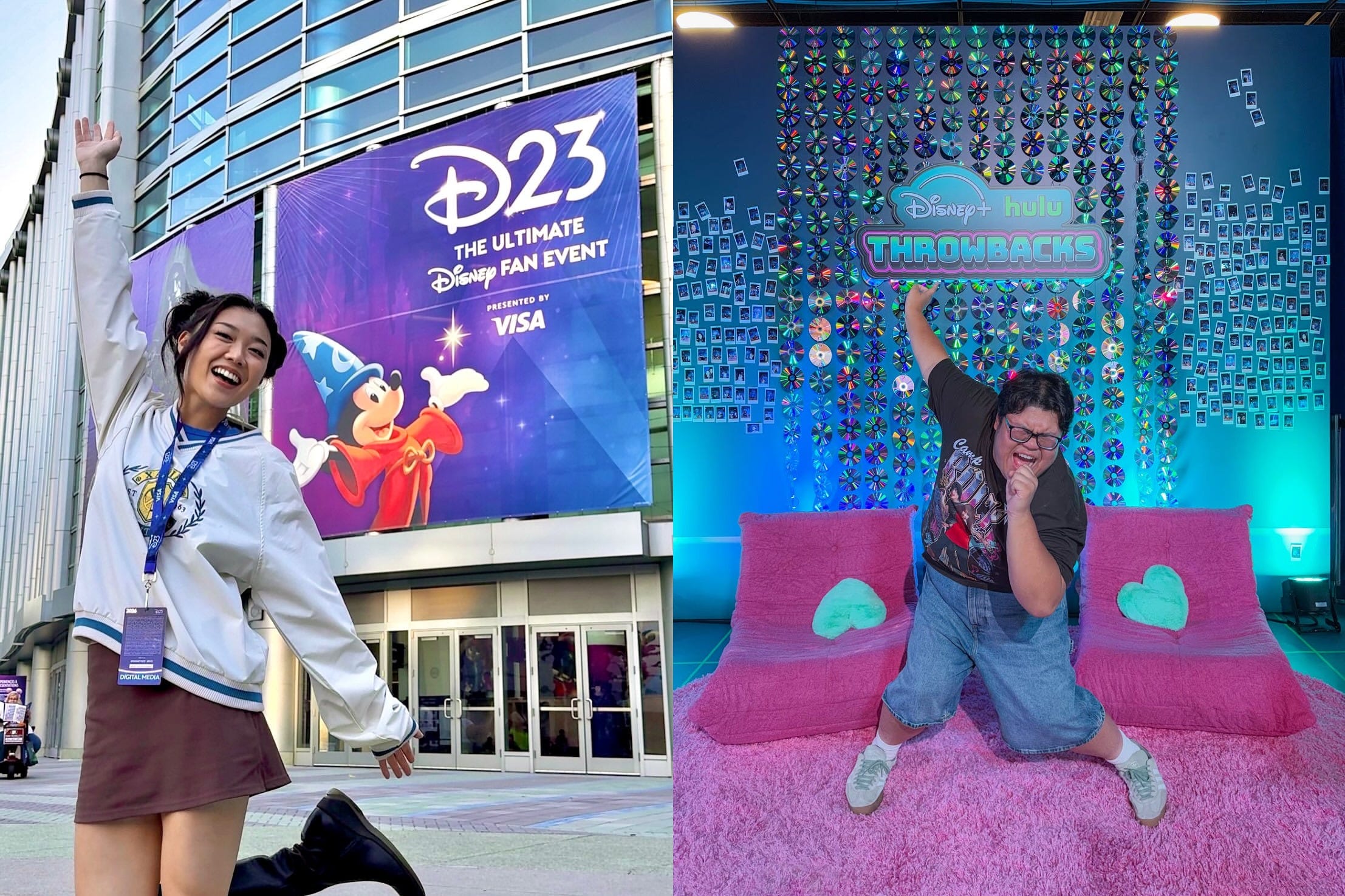
Disney, like its legacy media contemporaries, is acutely aware that consumers are increasingly turning to social media creators for entertainment. But rather than trying to compete against those creators for viewer attention, the company is ramping up its efforts to bring their content—particularly content that plays into fandom around the films, TV series, theme parks and other properties under the far-reaching Disney umbrella—into its owned channels.
When Disney made two back-to-back announcements tied to creators’ growing role in entertainment—namely, the launch of its upcoming “Created in LA” creator summit and a new content-sharing deal with TikTok—I reached out to the media giant to learn more about how its creator strategy has evolved as the lines between Hollywood and the creator economy continue to disappear. The biggest takeaway from my conversation with Asad Ayaz, chief marketing and brand officer at The Walt Disney Company, is that Disney is partnering with creators for their entertainment prowess, not their promotional skills—and not necessarily their audiences, either.
“There’s absolutely a shift from our creator partnerships being not just marketing and promotional, but really being entertainment and content that we bring to our fans, allowing them to engage and interact with our stories and characters through a new voice,” Ayaz told me. “It’s a new way of looking at how people are being entertained and how our stories and our characters are showing up in videos.”
The most high-profile instance of Disney’s growing focus on fan content is the aforementioned deal the company signed with TikTok earlier this month to supply fan-created videos to the Disney+ platform, starting with a U.S. pilot later this year. The deal will grant participating creators access to assets from across Disney’s entertainment portfolio, including Pixar, Marvel and “Star Wars,” according to a release. The resulting content will live across TikTok and the Disney+ vertical video (“Verts”) feed.
The TikTok deal, however, is just one example of the creator strategy Disney has been steadily building over the past year. Beyond working with creators on traditional promotional campaigns around movie premieres, new theme park attractions or other major moments, Disney is enlisting creators to help turn its streaming platforms into a one-stop shop for both watching its originals and engaging with creator-made fan content.
Disney began bringing creator content to its streaming channels last year through an initiative called the Creators Collection, which featured YouTubers’ videos tied to two new films—the live-action “Lilo & Stitch” remake and “Predator: Badlands”—on Disney+ and Hulu, respectively. The Creators Collection was “an early test to see how Disney+ audiences responded to creator content on the service,” a Disney representative told me in an email.
The TikTok collaboration is an expansion of that strategy, the representative said, adding that “we’re continuing to explore ways to bring creator content to Disney+ in a curated way.” Josh D’Amaro, who succeeded Bob Iger as CEO of The Walt Disney Company in March, highlighted the Creators Collection initiative in a May earnings call, saying that the company is “going to continue to advance that work in the months ahead.”
“We're adjusting our own products to reflect the way consumers want to interact with our content,” D’Amaro said on the call. The strategy of bringing creator content to Disney’s streaming platforms is “specifically important when we think about Gen Alpha,” he added, emphasizing consumers born between 2010 and 2024. “The newest generation of Disney fans.”
Disney partnered with creator content distributor Pocket.watch—which also licenses and produces creator content for Prime Video, Tubi, Peacock and other platforms—on the Creators Collection pilot. Pocket.watch told me via email that the idea to bring fan-created content into the Disney ecosystem came from its research finding that “after a popular piece of IP premieres on a streamer, some 5x to 30x the engagement around that IP actually happens on YouTube.”
Those video essays, scene breakdowns and other fan content, Pocket.watch said, effectively “drive engagement outside of the platform that funded and premiered the official content in the first place.” Thus, the Creators Collection initiative was born.
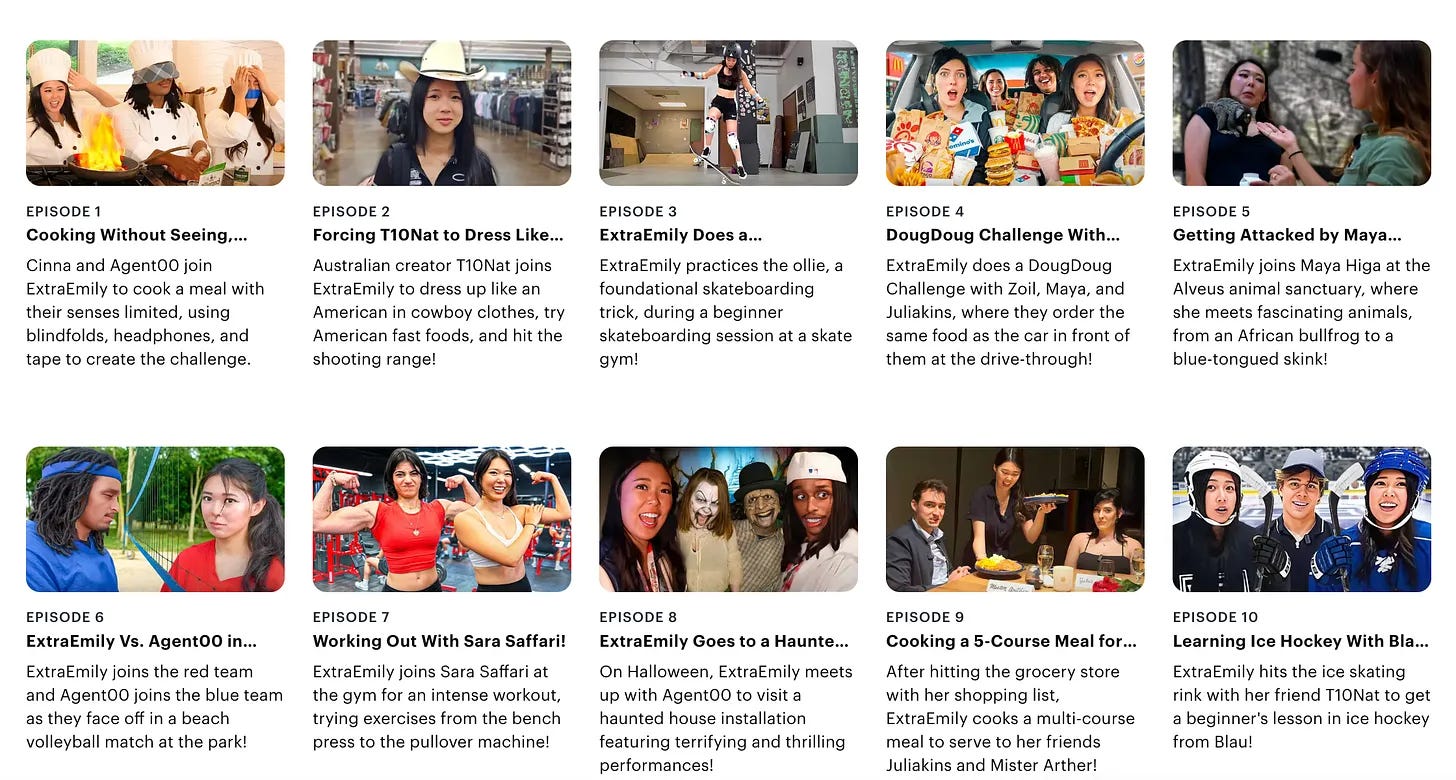
Pocket.watch is also working with the company to bring creator content unrelated to Disney properties to Disney’s streaming platforms. Earlier this month, the company turned livestreams from Twitch creator ExtraEmily into a 15-episode series for Disney+ and Hulu.
Disney’s Ayaz also told me that working with creators to develop new IP is “absolutely” on the table for the company. That’s hardly surprising: other legacy media giants including Fox Entertainment and NBCUniversal have already launched programs to develop new shows and films with creators in the past year.
Ayaz said Disney plans to use its upcoming “Created in LA” event, which the company is hosting with YouTube creator Jon Youshaei, as an opportunity to pitch both new and existing creator partners on the growing number of ways they can work with Disney on content, not just ads. The two-day event, which is by application only, will see hundreds of creators attend a red-carpet premiere of creator videos at Disney’s El Capitan Theater and an industry summit at The Walt Disney Studios Lot—a physical reflection of how creators are shaping Disney’s entertainment strategy.
Vine is (sort of) back
As a Zillennial who has watched countless YouTube videos compiling classic six-second videos from the defunct social media app Vine, I’ve been closely following the rollout of its reboot Divine since April. And today, after months of invite-only access, Divine officially opened to the public.
On Tuesday, before the platform had dropped its invite requirement, Divine revealed it had already secured its first brand partner: Taco Bell. The restaurant is incorporating Divine into the campaign promoting the rollout of its Decades #TBTB menu—inspired by 2016, when Vine was at its peak popularity. The collaboration involves Taco Bell taking over Divine’s “Featured” content feed, which blends new six-second videos promoting the nostalgia-fueled menu with videos from Taco Bell’s original Vine account.
Divine has two main selling points for users: access to more than two million original Vine videos, and a ban on AI-generated content. I asked Alice Chan, CMO of Divine, about what the platform offers to advertisers such as Taco Bell now that the app has gone public.
Chan told me that Divine hasn’t yet built a formal ad infrastructure, but that brands can, like Taco Bell, sponsor different content feeds on the platform—including Divine’s feeds tied to categories such as fashion, travel and music. But, she added, the platform is also willing to work with brands to develop bespoke ad placements and formats. When I asked about paid media placements within content feeds, she told me that is “certainly something we’d be very open to doing.”
“We don’t have a preset [ad] menu for brands yet,” Chan said. “Everything’s an opportunity at the moment for both sides.”
Chan also said the company is open to acting as a matchmaker between brands and creators, including some of the original Vine stars. In July, Divine connected Sony Pictures to creator Jimmy Here to promote “Spider-Man: Brand New Day” by having him recreate his viral Vine where he screams while donning a Spider-Man costume.
She also said Divine has reserved usernames for “tons” of brands that didn’t have Vine accounts, and revived the accounts of those that did. Divine can help brands access those new and restored accounts, she said.
“I think the brands that will come to us first, and that we will approach first, will be ones that might be risk-takers,” Chan said. “They want to stand out, be unique, embrace all that is human and sometimes weird and odd. Those things will be attributes they recognize coming to life in Divine.”
Brand deal of the week
Sorority recruitment season, better known online as “RushTok,” has become an enduring cultural phenomenon—and, like many pop culture moments, a marketing machine.
Each August, the internet collectively tunes into outfit-of-the-day videos from aspiring sorority members and promotional videos from sororities competing for new members. Think synchronized dance routines to scenes of their sorority houses decked out in balloons, over-the-top decor tied to that year’s recruitment (or “rush”) theme and beyond. Brands have increasingly inserted themselves into sororities’ social content and rush events—Poppi, for example, gifts hundreds of thousands of cans of its prebiotic sodas to sororities each rush season.
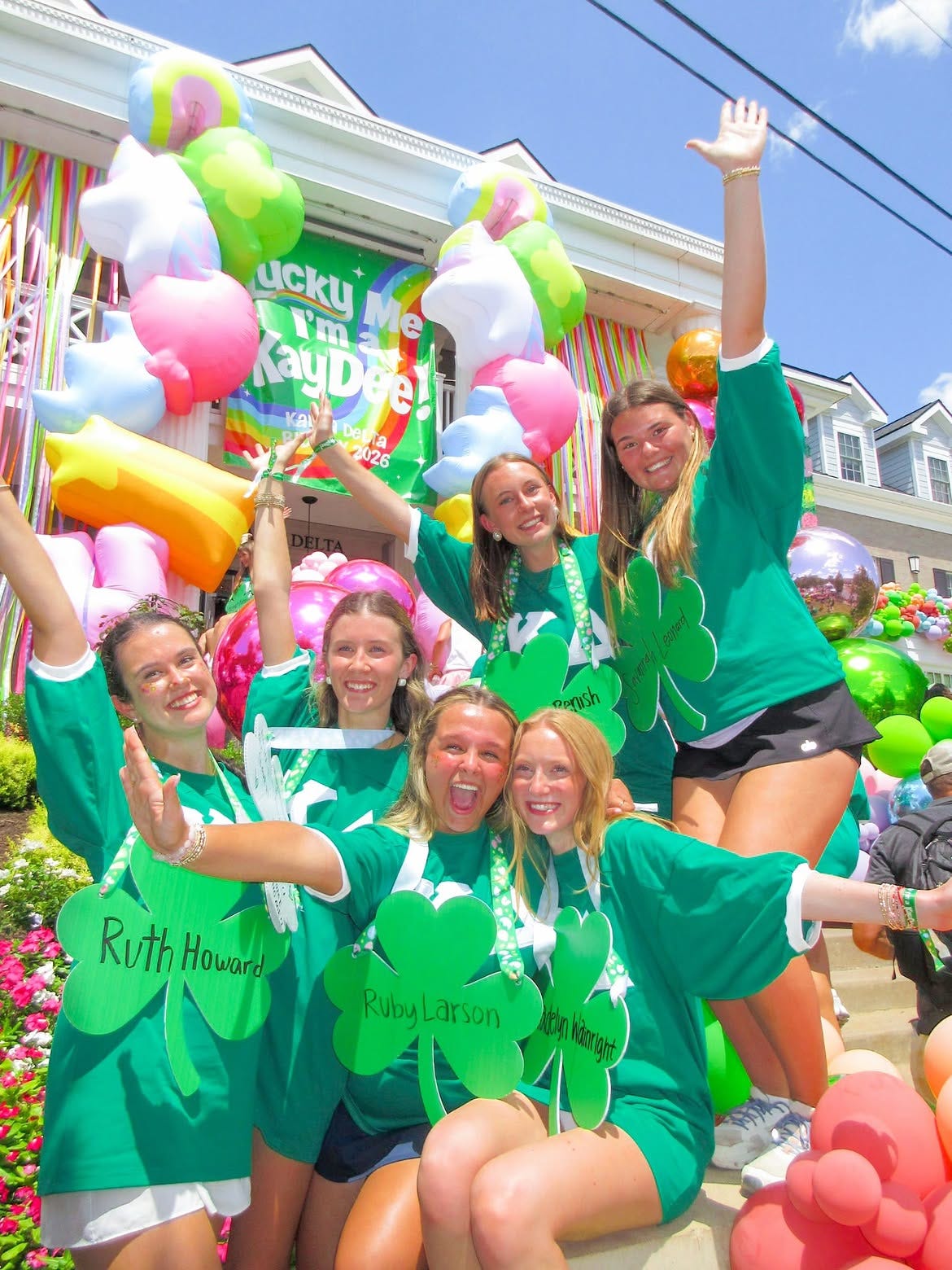
Though RushTok has been a fixture of internet culture since 2021, new brands are still venturing into the space each rush season. Lucky Charms made its RushTok debut last week, partnering with the Kappa Delta sorority at the University of Arkansas to turn its house into an extravagant Lucky Charms-themed experience. The cereal brand supplied giant balloons inspired by the cereal’s marshmallows, organized themed activities—including a charm bracelet station and cereal bar stocked with Lucky Charms—and created branded Lucky Charms merch for sorority members.
I spoke with Megan Brooks, business unit director for family favorite cereals at General Mills, about what drove Lucky Charms to enter the RushTok space this year, and why her team opted to go deep with one sorority rather than show up across multiple RushTok partnerships.
This interview has been edited and condensed for clarity.
How did this partnership come together, and how did Lucky Charms land on this specific sorority chapter?
This really all started from doing a lot of social listening. We saw there were houses and sorority chapters doing a Lucky Charms theme. Kappa Delta was one we saw doing a lot of this, because they have shamrocks as a symbol of their sorority and green is one of their colors. So, as we started seeing this, we thought to ourselves, “Gosh, if we could be a part of it, we could make it even more joyful, even bigger, and participate in [RushTok] in a really different way.”
In terms of how we landed on the chapter that we did, as we started digging into how we become a part of this and get into this sorority culture, we knew we needed to do it authentically and not just try to do it the same way we would do national ad campaigns. So we started looking for partners, and we ended up finding Presley Paige, which is a decor company out in Arkansas. They helped us identify Kappa Delta at the University of Arkansas as a good fit because of their themes, and also because the University of Arkansas is known for their bid day decor. And they do bid day early in the rush cycle. So it was all kind of a perfect fit.
Sororities have been making Lucky Charms the theme of their recruitment events for several years now. Why did the brand wait until now to get involved in RushTok?
We’re on a journey right now to embed our “charms” in culture, as we like to say. It’s all about social listening and really understanding what people are saying about our brand and how they are using our brand, and then figuring out what are the right ways to activate on that. We saw RushTok getting bigger and bigger, and as we really noticed what these women were doing was so amazing, we wanted to be a part of it.
Tell me more about how Lucky Charms showed up on bid day. How did you decide on activities like the charm bracelet bar?
What we really identified about RushTok is that all of the sorority members are basically mini-creators. They’re all creating their own content around rush. Obviously, the house has a social media team and a social media following, but each of the members are creators as well.
We knew that in order to make this really special, we needed to do some things that were interactive that they could get excited about and want to create content [around]. This brand lends itself so well to things like charms and the iconic shape of our marshmallows, and it’s so perfect for decor and merchandise. So, we created a charm bar where they could create their own personalized charm bracelets. We also had a cereal bar where they could actually eat Lucky Charms, and we also had some merchandise that was Kappa Delta and Lucky Charms-licensed, which was super fun. We had claw clips and water bottles and socks and all sorts of awesome stuff.
What did the timeline for this partnership look like?
We had the nugget of the idea last year, but I would say it really started moving into high gear this spring. So it took a couple of months. Finding the right partners, like Presley Paige, was really what helped accelerate it for us.
Why did you decide to go deep with one chapter of Kappa Delta versus also partnering with other chapters, or other sororities?
We were really intentional about that. A big brand like us coming in and trying to make this a really big thing could come off as inauthentic. And, frankly, it would be hard for us to do this in a really meaningful way if we were working with multiple chapters. We knew this should be about creating content that can reach lots of people, even if it’s only one house. It also created an opportunity for us to use those members to create and share that content, which actually helped us reach a lot of people outside of the University of Arkansas as well.
Were the sorority members required to make content as part of the partnership?
There were no requirements for the members at all. That’s why we just wanted to create something interesting and engaging that we hoped they would want to post about.
Do you have any insights at this point about the reach, engagement or other impacts of the partnership?
We know we’ve gotten millions of views on the content that we own, as well as the content that we shared with Kappa Delta. And then I think what’s been really awesome is we’re seeing so much content that’s user-generated. I had no idea, but people go down to the University of Arkansas to talk about and rate the houses. There’s just so much engaging content around what people like and what people are excited about. We don’t have actual numbers yet, but that’s been maybe the biggest surprise—all this additional content and the views that that content has been getting, as well.
That’s the thing that I think we were really excited about with RushTok, too—it’s not just about reaching college-age students. Obviously, it’s always great for us to reach new consumers, and we know that college-age students love cereal and there’s a lot of nostalgia with them for our brands. But what was actually most unique about this opportunity is the reach that RushTok has outside of college. You’re reaching people who maybe used to be in sororities. You’re reaching people who are just engaging with the content as a form of entertainment.
This brand is so joyful, and there’s this theme of people wanting a little extra joy in their lives right now. We talk about whimsy a lot with this brand. I think this was a great opportunity for us to create another joyful, whimsical moment that people could get excited about.
Trending now
🌯 Chipotle is making a play for Gen Alpha with a new custom order and campaign starring 16-year-old YouTube star Salish Matter.
📈 Three of the fastest-growing U.S. companies on this year’s Inc. 5000 list—Beehiiv, Kale and ShopMy—operate in the creator economy.
🤖Janie, an AI-generated college student who recently documented her fictional sorority rush experience on TikTok, has been revealed as a social experiment created by a partner at venture capital firm Andreessen Horowitz.
💬 Gen Z’s newest insult is “polyester,” fueled by the cohort’s growing aversion to the synthetic fabric when shopping.
🐋 Chanty Beluga, the delightfully obnoxious internet character recently created by comedian Courtney O’Donnell, is taking social media by storm.
👟 Creator and model Quenlin Blackwell just inked a year-long ambassador deal with Nike.